
When Luggage Took Flight: Inside the Record-Breaking Bangkok Airways "Flying Bags" Campaign
In the highly competitive world of aviation marketing, standing out requires more than just low fares. It requires an experience that captures the imagination.
Back in 2013, Bangkok Airways faced a significant milestone: their 45th Anniversary. They needed a campaign that wouldn't just celebrate their history, but reinforcing their unique positioning as "Asia’s Boutique Airline." They needed something personalized, magical, and technically innovative.
The result was the "Flying Bags" campaign—a pioneering piece of guerilla marketing that combined user-generated content with cutting-edge robotics to create a global first.
Here is the success story of how agency creativity (Ogilvy Bangkok) and engineering prowess (HiveGround) came together to make luggage literally take flight.
The Challenge: Defining "Boutique" for a 45th Anniversary
By 2013, travelers were weary of the generic airline experience. Bangkok Airways had always positioned itself as different—a "boutique" carrier offering personalized service. For their 45th anniversary, they needed a campaign that proved every passenger’s journey was unique.
The challenge was to take the most mundane symbol of travel—the suitcase—and transform it into an emotional ambassador for the brand.
The Creative Solution: Ogilvy’s Interactive Vision
The creative minds at Ogilvy & Mather Bangkok developed a two-pronged strategy that bridged the physical and digital worlds.
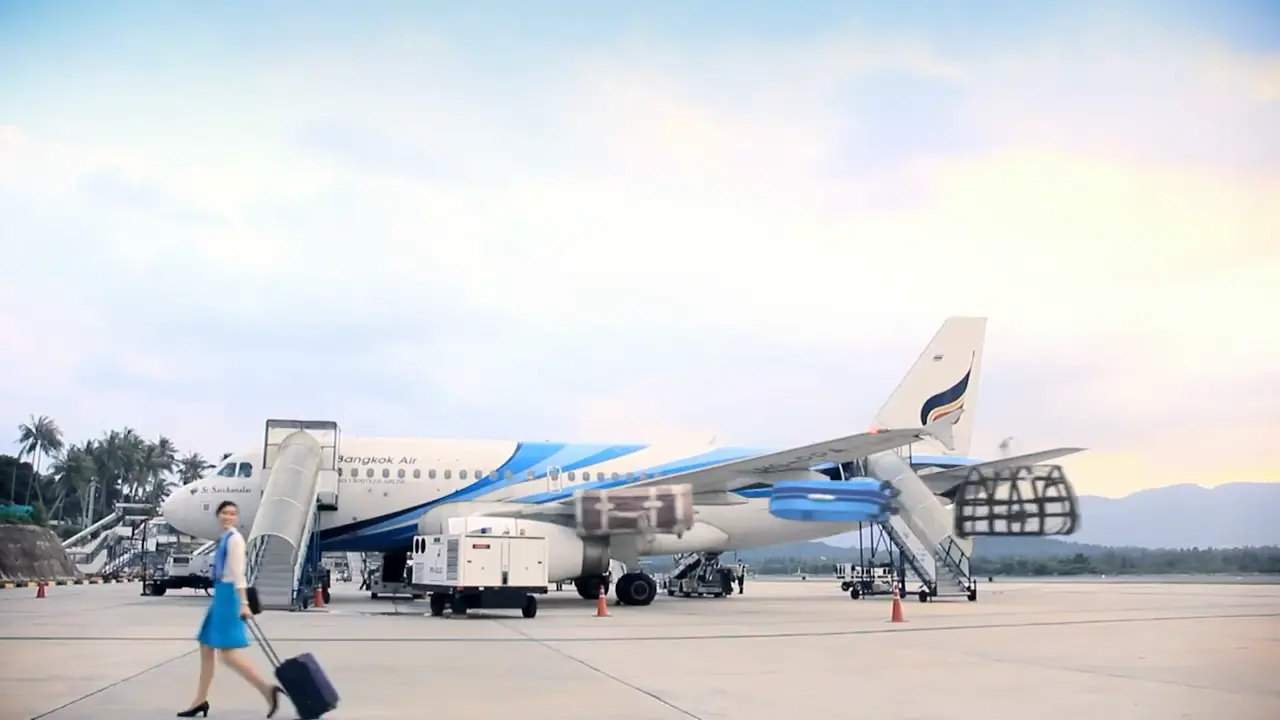
1. The Digital Mosaic (UGC): The core concept was inclusion. Ogilvy launched a microsite inviting the public to "Upload Your Baggage." The goal was ambitious: collect 4,500 photos of passengers' luggage to create a massive mosaic. This mosaic would then become a real-life aircraft livery (wrap) on a Bangkok Airways Airbus A320. It was the ultimate user-generated content (UGC) incentive—put your bag on a real plane.
2. The Physical Spectacle: To drive traffic to the site and create buzz, they needed a real-world stunt. The idea? If the bags are going on the plane, why don't the bags fly themselves?
The Technical Execution: HiveGround brings Drones to Life
This is where the campaign transitioned from a good idea to a groundbreaking one. In 2013, commercial drone usage for marketing was in its infancy.
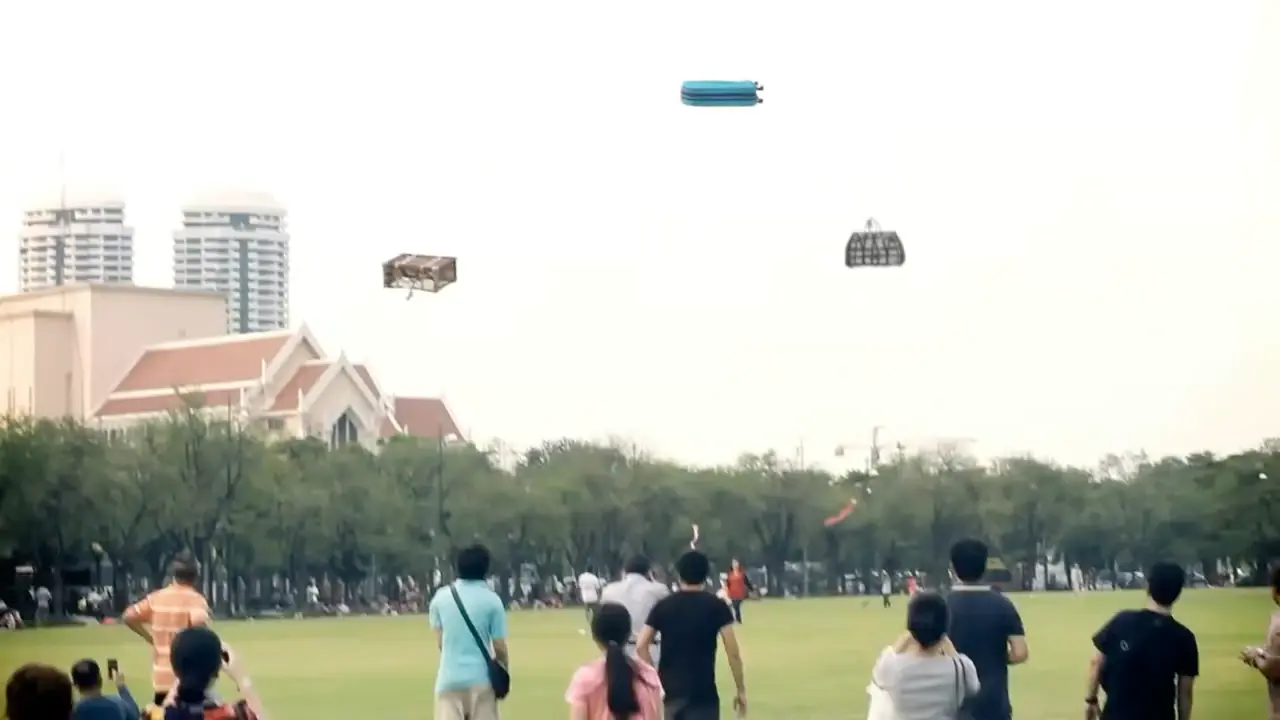
Ogilvy partnered with HiveGround, a leading Thai robotics and tech firm, to achieve the impossible. HiveGround engineers didn't just attach bags to existing drones; they custom-engineered multi-rotor drone systems concealed inside vintage-style and modern suitcases.
These "Flying Bags" were piloted over key locations in Bangkok, such as Sanam Luang, stunning onlookers. It wasn't CGI; it was a live, tangible spectacle that perfectly captured the magic of flight.
The Results: A Record-Breaking Success
The "Flying Bags" campaign was an immediate, runaway success, proving the power of combining experiential tech with audience participation.
- Rapid Engagement: The initial goal of 4,500 photo submissions was met at lightning speed. The first "plane-load" was filled within just 5 days.
- Overwhelming Demand: Due to the unprecedented response, Bangkok Airways had to open up a second aircraft to accommodate thousands more photo submissions.
- Global Recognition: The campaign earned the title of "The First Airline of the World Flying Bags Campaign" for its innovative use of drone technology in a marketing stunt.
- Brand Reinforcement: It successfully cemented Bangkok Airways' image as an innovative, customer-centric "boutique" airline.
Key Takeaways for Modern Marketers
Even a decade later, the Bangkok Airways campaign offers vital lessons for SEO and marketing professionals:
- Embrace Emerging Tech Early: HiveGround’s use of drones in 2013 was a risk that paid off massively in "wow factor." Don't shy away from new tech (like AR or AI today) if it serves the creative idea.
- Make the Customer the Hero: The campaign wasn't about the airline; it was about the passengers' bags. User-Generated Content remains one of the most powerful tools for engagement.
- Bridge the Gap: The success came from connecting a physical stunt (flying drones in a park) with a digital action (uploading a photo to a website).
The Flying Bags campaign remains a benchmark in aviation marketing—a testament to what happens when brave clients, creative agencies, and skilled engineers collaborate to push boundaries.
FYI : We did not fly over the BTS train and Chao Phraya River. They were CGI images